Russian Space ForcesSUCCESS
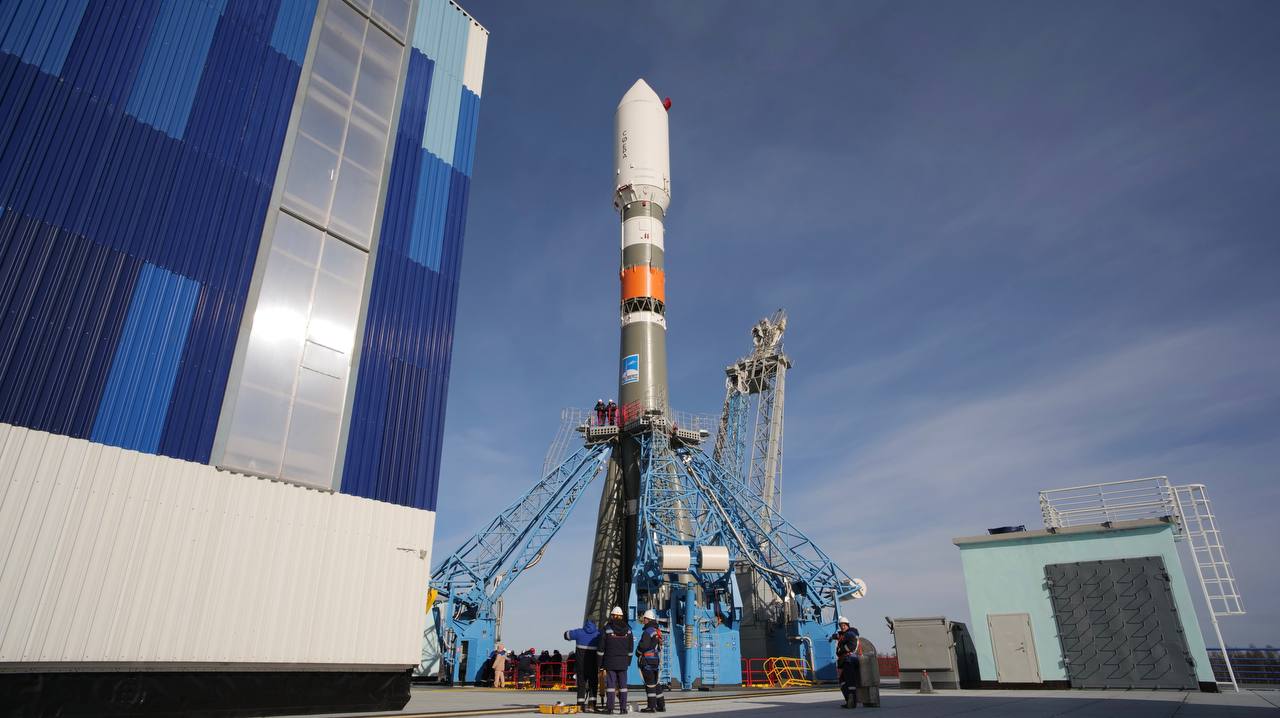
Soyuz 2.1b/Fregat | Glonass-K1? (Kosmos 2621?)
Pad: 43/3 (43L) · Plesetsk Cosmodrome, Russian Federation
Note: Payload identity uncertain. Glonass-K are the third generation of satellite design for GLONASS satellite navigation system. GLONASS is a Russian space-based navigation system comparable to the similar GPS and Galileo systems. This generation improves on accuracy, power consumption and design life. Each satellite is unpressurized and weighs 935 kg, and has an operational lifetime of 10 years.
Mission StatusUTC / SYNCED
✓ MISSION OBJECTIVES ACHIEVED

Soyuz 2.1b/Fregat-M
LiftoffSoyuz MS-19 Liftoff from Baikonur Site 31
Photo: Roscosmos / NASA
Get Alerted for Soyuz 2.1b/Fregat | Glonass-K1? (Kosmos 2621?)
Receive an email alert 1 hour prior to liftoff with live webcast links.
Mission Broadcast Archive
Soyuz 2.1b/Fregat | Glonass-K1? (Kosmos 2621?) Live Coverage
Official Webcast Feed Scheduled
Live broadcast embeds typically go live 15 to 20 minutes prior to launch window liftoff. Check the official Russian Space Forces channels or Spaceflight Now for live feeds.
Host: Russian Space Forces Flight OpsWindow: Sat, 07 Nov 2026 07:00:00 GMT
Status: SUCCESS
🛰️ Mission Orbital & Environment Matrix
- Target Orbit
- MEO
- Target Altitude
- 20200 km
- Inclination
- 62.9°
- Weather Violation Risk
- TBD
- Primary Payload
- Glonass-K1? (Kosmos 2621?)
- Launch Window
- Saturday, November 7, 2026 at 07:00 AM UTC – 09:00 PM UTC
🚀 Vehicle Architecture & Stage Configuration
- Architecture Type
- Single-Use Expendable
- Recovery Strategy
- None (Ocean Trajectory)
- Core Propulsion
- Liquid Cryogenic / Staged
- Upper Stage
- High-Energy Re-ignitable
- Fairing Shroud
- Standard Aerodynamic Shroud (Direct Jettison)
- Vehicle Architecture
- Soyuz 2.1b/Fregat-M Propulsion & Staging Specs →
⏱️ Operational Timeline Milestones & Staging Sequence
Target T-0: 2026-11-07Terminal Count
T-00:15:00Autonomous launch sequence start
Auto Sequence
T-00:03:00Flight computer assumes control
Liftoff
T-00:00:00Stage 1 main engine ignition & liftoff
MECO & Stage Sep
T+00:02:40Main engine cut-off and stage separation
Stage 1 Landing
T+00:08:30Booster touchdown on recovery vessel / zone
Payload Deploy
T+00:45:00Spacecraft insertion into target orbit
Launch Complex & Spaceport
43/3 (43L)
Cape Canaveral Space Force Station · Plesetsk Cosmodrome, Russian Federation
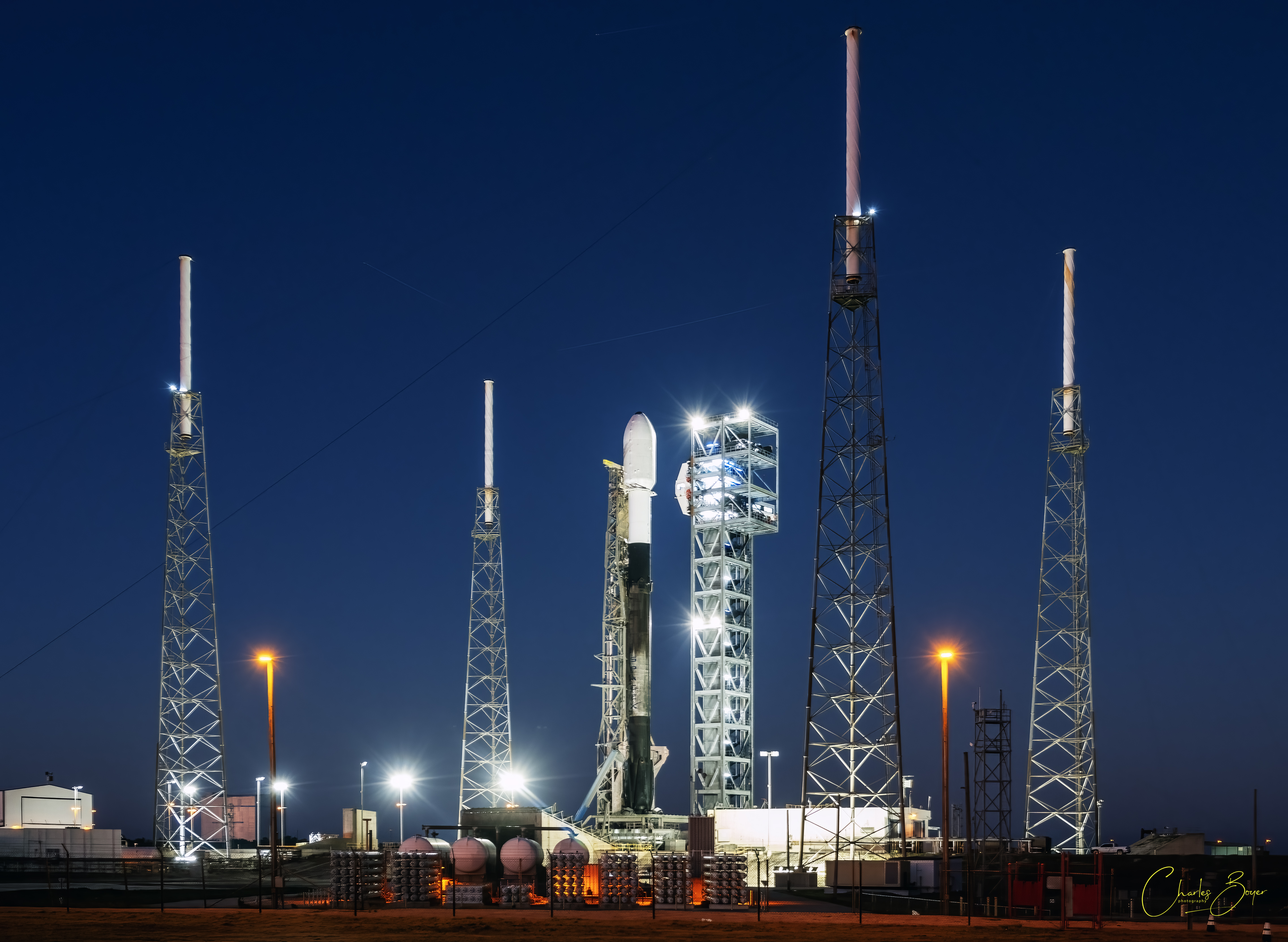
Rocket On Pad
Falcon 9 Standing at SLC-40
Falcon 9 vertical on Space Launch Complex 40 with lightning suppression towers at Cape Canaveral Space Force Station.
Photo Credit: NASA / Joel KowskySLC-40 is the world's most active orbital launch facility. Originally constructed for Titan III and Titan IV rockets, SpaceX leased and modernized the pad in 2008. In 2024, SpaceX added a new crew access tower to enable astronaut and cargo Dragon launches directly from SLC-40.
Operator
U.S. Space Force / SpaceX
Elevation
3 meters (ASL)
Azimuth Range
35°
Flight History
210+ Orbital Missions
Key Pad Facilities & Ground Support Equipment (GSE)
Transporter Erector (TE)Hydraulic cradle that rolls Falcon 9 horizontally from the HIF and erects it vertically onto the launch mount.
Horizontal Integration Facility (HIF)Weatherproof processing hangar where stages and payloads are mated prior to rollout.
Cryogenic Propellant FarmSub-cooled Liquid Oxygen (LOX) and chilled RP-1 kerosene high-flow loading system.
Crew Access TowerModernized 2024 tower providing crew ingress and emergency egress slide-wire systems.