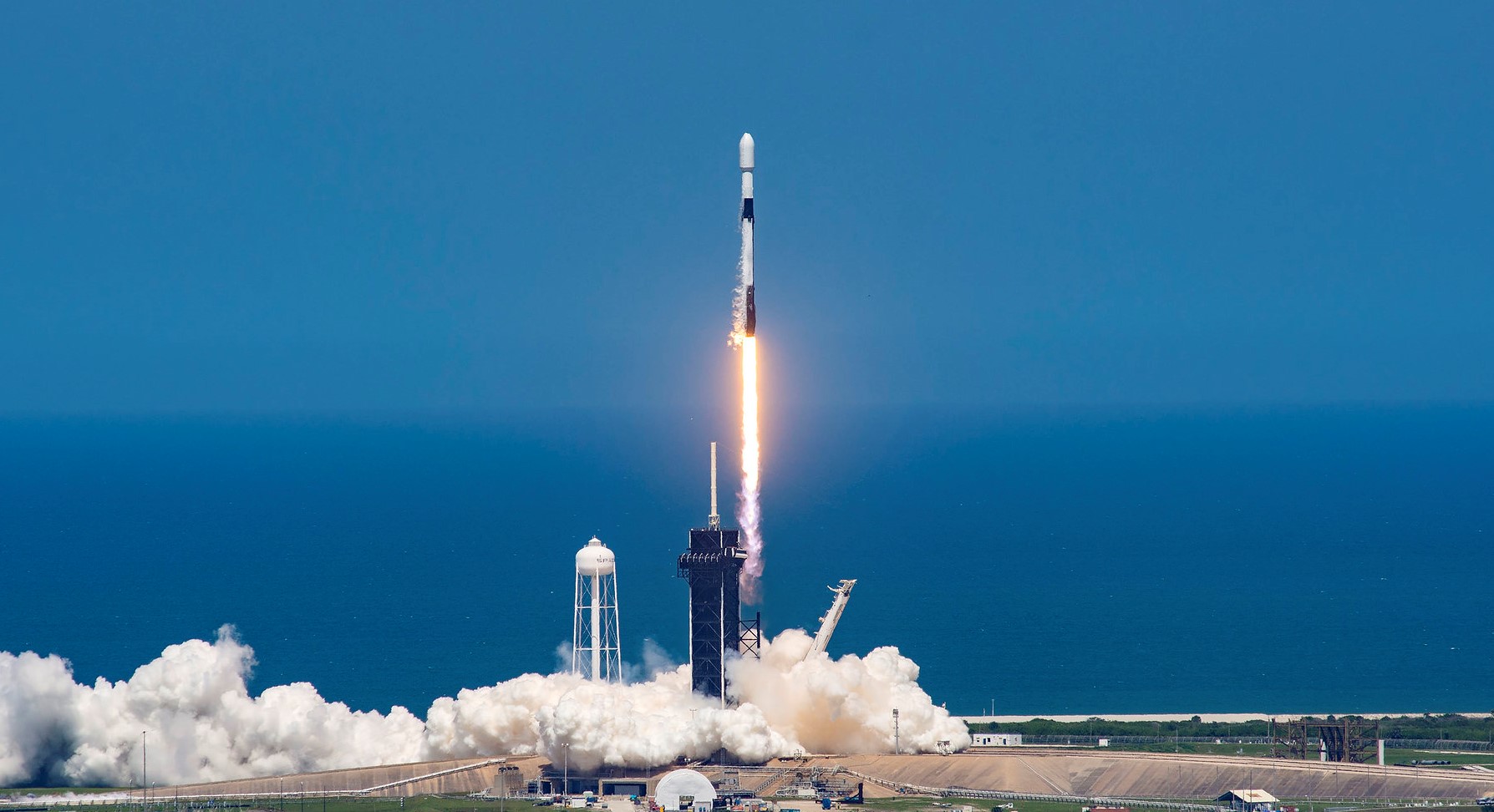
SpaceXTBD
Falcon 9 Block 5 | CHORUS
Pad: Unknown Pad · Cape Canaveral SFS, FL, USA
CHORUS is MDA's next generation Earth observation constellation, consisting of 2 radar satellites (C-band SAR and X-band SAR), in a 53.5 degree 600 km altitude LEO, with the X-band trailing the C-band by 60 minutes. A collaborative multi-sensor constellation, CHORUS will bring together diverse and unique imagery and data sources and provide a new level of near real-time insight and innovative Earth observation services. Operating in a unique mid-inclination orbit, CHORUS will be able to image day or night, regardless of weather conditions, with daily access of up to 95% of the coverage area. From an industry-leading 700km-wide imaging swath down to sub-metre high resolution, CHORUS will provide the most extensive and unrivalled Earth observation radar imaging capacity available on the market in a single mission.
Liftoff Telemetry ClockUTC / SYNCED
T-
54Days
:12Hours
:24Mins
:18Secs
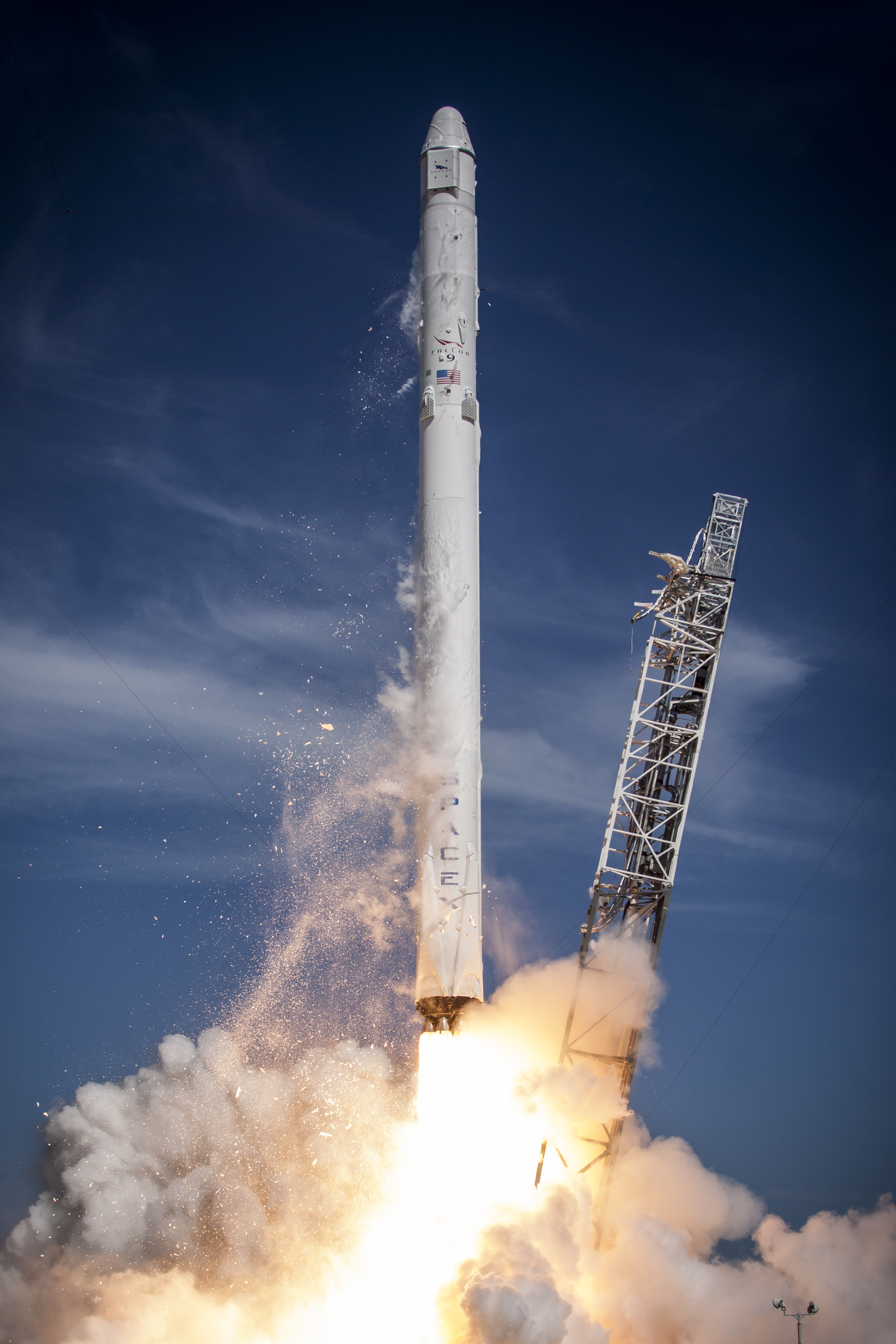
Falcon 9
LiftoffFalcon 9 Liftoff with Dragon Spacecraft
Photo: SpaceX
Get Alerted for Falcon 9 Block 5 | CHORUS
Receive an email alert 1 hour prior to liftoff with live webcast links.
Mission Broadcast Archive
Falcon 9 Block 5 | CHORUS Live Coverage
Official Webcast Feed Scheduled
Live broadcast embeds typically go live 15 to 20 minutes prior to launch window liftoff. Check the official SpaceX channels or Spaceflight Now for live feeds.
Host: SpaceX Flight OpsWindow: Thu, 31 Dec 2026 00:00:00 GMT
Status: TBD
🛰️ Mission Orbital & Environment Matrix
- Target Orbit
- LEO
- Target Altitude
- 550 km
- Inclination
- 53.2°
- Weather Violation Risk
- 10%
- Primary Payload
- CHORUS
- Launch Window
- Thursday, December 31, 2026 at 12:00 AM UTC – 12:00 AM UTC
♻️ Hardware Reusability & Recovery Matrix
- Booster Core
- Flight Proven Core
- Flight Count
- Operational Flight
- Recovery Strategy
- Downrange Recovery (TBD)
- Fairing Recovery
- Flight Proven
- Landing Vessel / Zone
- Recovery Vessel / Zone
- Vehicle Architecture
- Falcon 9 Technical Specs & Flight Geometry →
⏱️ Operational Timeline Milestones & Staging Sequence
Target T-0: 2026-12-31Terminal Count
T-00:15:00Autonomous launch sequence start
Auto Sequence
T-00:03:00Flight computer assumes control
Liftoff
T-00:00:00Stage 1 main engine ignition & liftoff
MECO & Stage Sep
T+00:02:40Main engine cut-off and stage separation
Stage 1 Landing
T+00:08:30Booster touchdown on recovery vessel / zone
Payload Deploy
T+00:45:00Spacecraft insertion into target orbit
Launch Complex & Spaceport
Unknown Pad
Cape Canaveral Space Force Station · Cape Canaveral SFS, FL, USA

Launch Mount
ULA Space Launch Complex 41 Launch Mount
United Launch Alliance Space Launch Complex 41 with four 100-meter catenary lightning suppression masts.
Photo Credit: NASA / Kim ShiflettSLC-41 is ULA's primary East Coast heavy launch facility. The pad was the departure point for historic NASA planetary missions including New Horizons to Pluto, the Curiosity and Perseverance Mars rovers, and the OSIRIS-REx asteroid sample return.
Operator
United Launch Alliance (ULA)
Elevation
4 meters (ASL)
Azimuth Range
35°
Flight History
140+ National Security & Planetary Missions
Key Pad Facilities & Ground Support Equipment (GSE)
Vertical Integration Facility (VIF)Tall assembly building where Atlas V and Vulcan rockets are stacked atop mobile launch platforms.
Crew Access Tower (CAT)Dedicated tower providing astronauts entry into the Boeing Starliner capsule.