
Nuri | NeonSat-2 to 6
Pad: LC-2 · Naro Space Center, South Korea
NeonSat-2 to 6 are part of the South Korean government's Earth observation micro-satellite constellation NeonSat (New-space Earth Observation Satellite). The NeonSat constellation is the first satellite system developed by the government using a mass-production approach for precise monitoring of the Korean Peninsula.
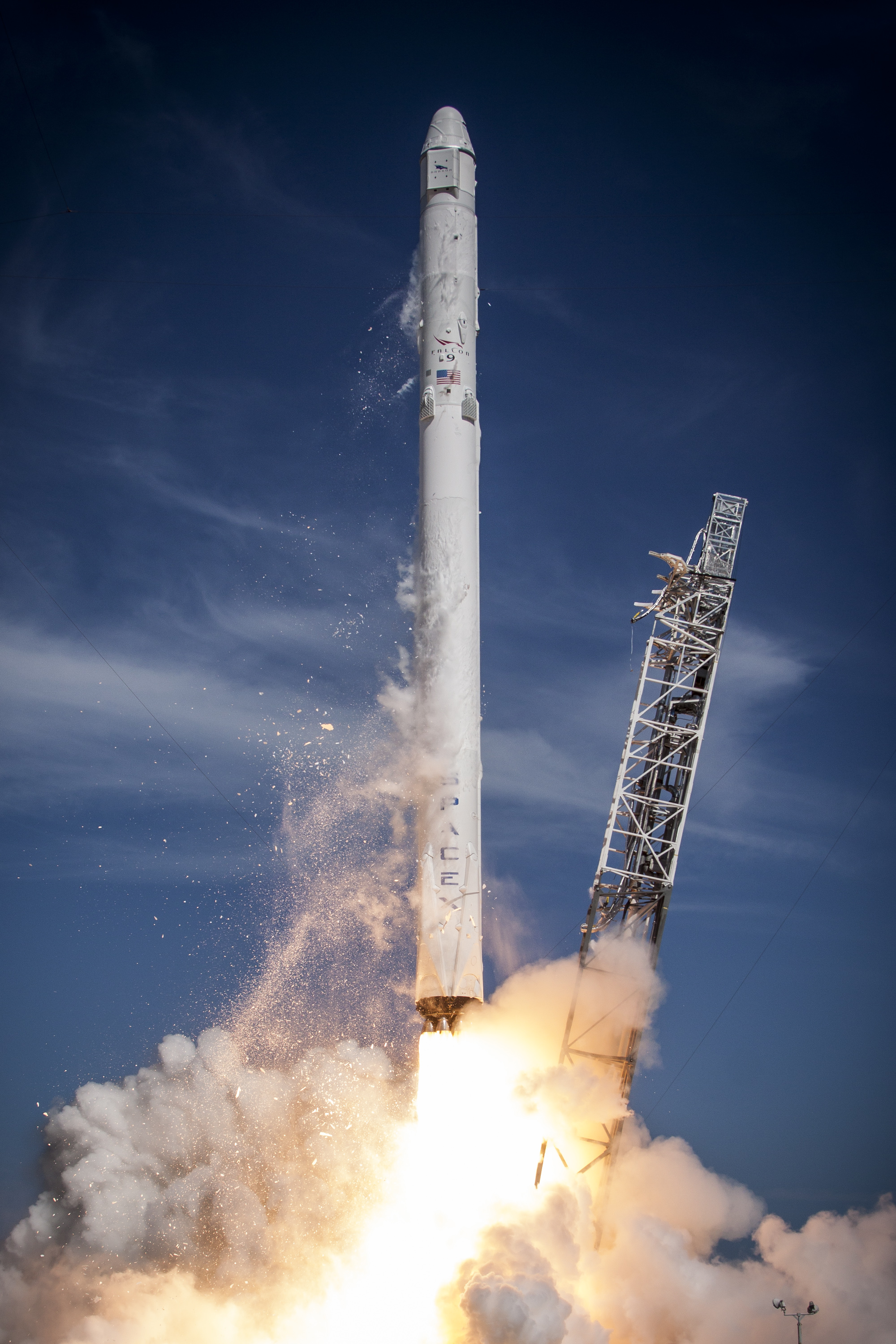
Orbital Launch Vehicle
Photo: Orbit Deck Space Catalog
Nuri | NeonSat-2 to 6 Live Coverage
Official Webcast Feed Scheduled
Live broadcast embeds typically go live 15 to 20 minutes prior to launch window liftoff. Check the official Korea Aerospace Research Institute channels or Spaceflight Now for live feeds.
🛰️ Mission Orbital & Environment Matrix
- Target Orbit
- SSO
- Target Altitude
- 550 km
- Inclination
- 53.2°
- Weather Violation Risk
- 10%
- Primary Payload
- NeonSat-2 to 6
- Launch Window
- Wednesday, October 7, 2026 at 03:23 AM UTC – 04:23 AM UTC
♻️ Hardware Reusability & Recovery Matrix
- Booster Core
- Flight Proven Core
- Flight Count
- Operational Flight
- Recovery Strategy
- Autonomous Drone Ship (ASDS)
- Fairing Recovery
- Flight Proven
- Landing Vessel / Zone
- Designated Drone Ship (ASDS)
- Vehicle Architecture
- Nuri Technical Specs & Flight Geometry →
⏱️ Operational Timeline Milestones & Staging Sequence
Target T-0: 2026-10-07Terminal Count
T-00:15:00Autonomous launch sequence start
Auto Sequence
T-00:03:00Flight computer assumes control
Liftoff
T-00:00:00Stage 1 main engine ignition & liftoff
MECO & Stage Sep
T+00:02:40Main engine cut-off and stage separation
Stage 1 Landing
T+00:08:30Booster touchdown on recovery vessel / zone
Payload Deploy
T+00:45:00Spacecraft insertion into target orbit
LC-2
Cape Canaveral Space Force Station · Naro Space Center, South Korea
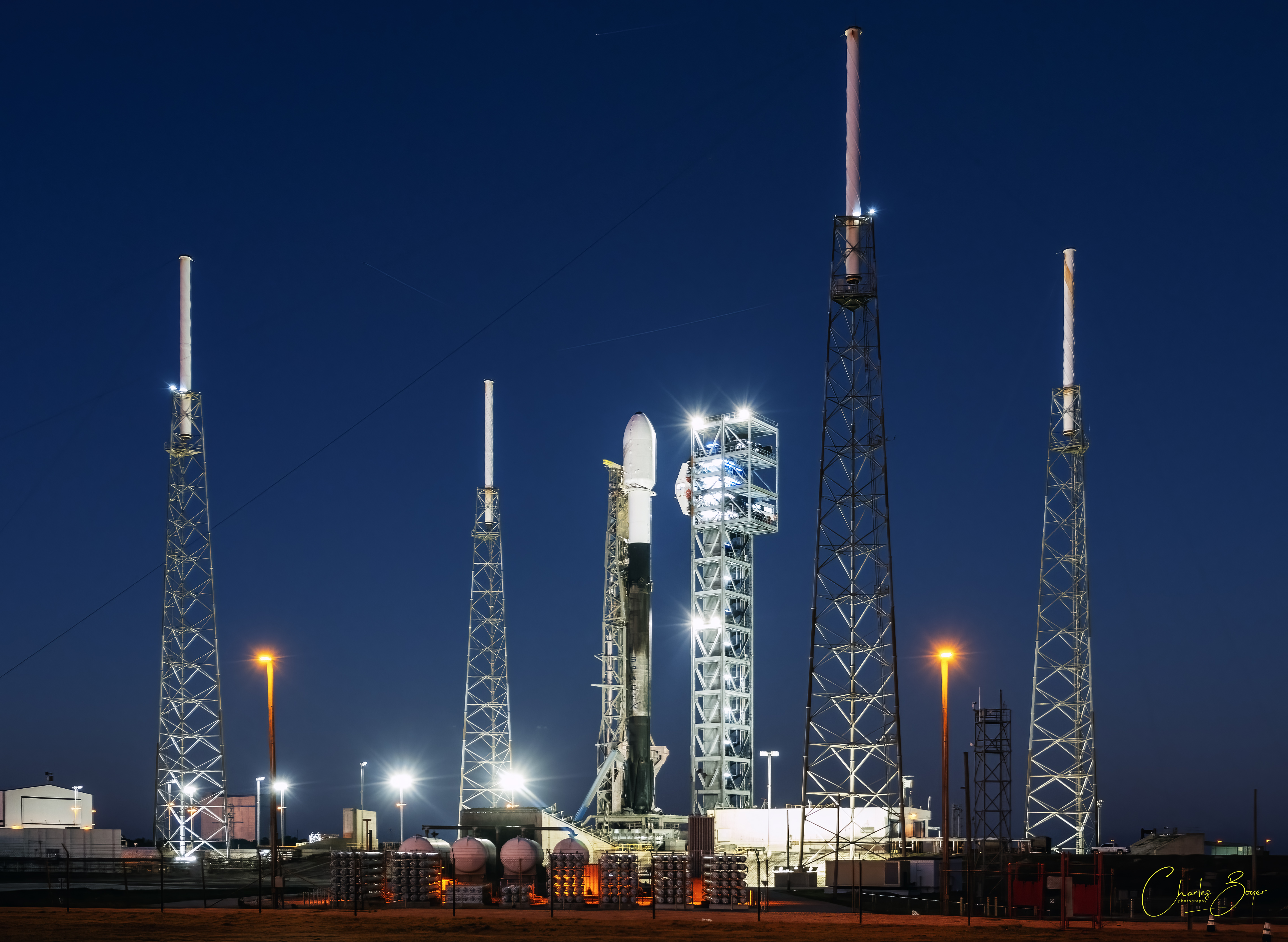
Falcon 9 Standing at SLC-40
Falcon 9 vertical on Space Launch Complex 40 with lightning suppression towers at Cape Canaveral Space Force Station.
Photo Credit: NASA / Joel KowskySLC-40 is the world's most active orbital launch facility. Originally constructed for Titan III and Titan IV rockets, SpaceX leased and modernized the pad in 2008. In 2024, SpaceX added a new crew access tower to enable astronaut and cargo Dragon launches directly from SLC-40.